In recent years, artificial intelligence (AI) has transformed nearly every aspect of our lives, from automating mundane tasks to engaging in complex problem-solving. As AI continues to advance, its impact on Christian apologetics—the defense of the Christian faith—becomes an increasingly relevant discussion. How can AI assist in spreading the Gospel? Can it strengthen apologetic arguments? Are there ethical concerns that Christians should consider? This blog will explore the intersection of AI and Christian apologetics, highlighting the opportunities and challenges AI presents in defending and sharing the Christian faith.
Understanding AI in Apologetics
AI, particularly in the form of machine learning and natural language processing, has the ability to analyze vast amounts of data, recognize patterns, and generate responses that mimic human reasoning. While AI lacks consciousness or personal belief, it can be an effective tool in research, evangelism, and apologetics.
Christian apologists often rely on philosophical, historical, and scientific arguments to defend the faith. AI can assist by quickly retrieving scholarly sources, cross-referencing biblical texts, and generating logical arguments based on theological principles. Some AI-driven tools are already being used to create apologetic content, debate atheistic perspectives, and even translate Christian literature into multiple languages.
AI as a Tool for Evangelism
One of AI’s greatest strengths is its ability to analyze and process information rapidly. This makes it an invaluable tool for evangelism in the digital age. AI-powered chatbots, for example, can engage in faith-based discussions with seekers online, answering common questions about Christianity. These chatbots, programmed with theological knowledge, can provide real-time responses to individuals exploring faith-related topics.
Additionally, AI can be used in:
Content Generation: AI can help create sermon outlines, Bible study guides, and apologetic materials.
Language Translation: AI-driven translation tools enable missionaries and evangelists to share the Gospel with people who speak different languages, breaking down language barriers.
Social Media Engagement: AI algorithms can optimize Christian content for social media, reaching larger audiences and targeting individuals who may be searching for answers about faith.
Enhancing Apologetic Research
Christian apologetics is deeply rooted in historical and philosophical arguments. AI can assist scholars and laypeople alike by:
Analyzing Biblical Texts: AI can cross-reference Scripture and analyze linguistic patterns to provide deeper insights into biblical teachings.
Comparing Historical Evidence: AI can sift through vast databases of historical documents, assisting in defending the historical reliability of the Bible.
Debate Assistance: AI can be used to analyze past debates, identify key apologetic arguments, and generate counterpoints to atheistic or skeptical claims.
For example, AI-powered tools like Logos Bible Software already assist theologians in studying biblical texts more efficiently, offering cross-referenced commentaries, Greek and Hebrew word studies, and historical context at the click of a button.
Ethical and Theological Considerations
While AI offers many advantages, it also raises ethical and theological questions that Christians must consider.
Can AI Have Religious Beliefs? AI, no matter how advanced, does not possess consciousness, free will, or the ability to experience faith. It can simulate theological discussions, but it cannot have a personal relationship with God. As such, AI should be viewed as a tool rather than a source of ultimate truth.
Bias and Misinterpretation AI learns from data, which means it can inadvertently reflect biases present in the sources it is trained on. If an AI model is trained on secular or anti-Christian perspectives, it may produce responses that misrepresent biblical teachings. Christians must ensure that AI tools used in apologetics are programmed with doctrinal accuracy and biblical integrity.
Over-Reliance on Technology While AI can assist in apologetics, it cannot replace the Holy Spirit’s role in evangelism and spiritual transformation. Christians must be cautious not to rely solely on AI-generated arguments but to remain rooted in Scripture and prayerful discernment.
Moral Responsibility AI is often used to generate persuasive content, and there is potential for misinformation. Christian apologists must ensure they use AI ethically, promoting truth rather than manipulation.
AI and the Future of Apologetics
The future of apologetics in the age of AI is promising but requires careful stewardship. AI will likely become more sophisticated in analyzing theological arguments, engaging in debates, and assisting in evangelism. However, the core principles of apologetics will remain unchanged: defending the faith with logic, evidence, and biblical truth.
Potential future developments include:
AI-Powered Debaters: AI programs capable of engaging in live apologetic debates, responding to atheistic arguments in real time with well-researched theological and philosophical counterpoints.
Virtual Reality (VR) Apologetics: AI-driven VR experiences that immerse individuals in biblical history, strengthening faith through interactive storytelling.
Personalized AI Discipleship: AI tools that guide individuals through personalized apologetics training based on their unique questions and doubts.
Conclusion
AI is a powerful tool that can enhance Christian apologetics by aiding research, facilitating evangelism, and strengthening arguments for the faith. However, Christians must approach AI with discernment, ensuring that it aligns with biblical truth and ethical principles. While AI can support apologetic efforts, it is ultimately God who changes hearts and minds. By wisely integrating AI into Christian apologetics, believers can more effectively share and defend their faith in the digital age, reaching more people with the message of the Gospel than ever before.
First they came for the Communists And I did not speak out Because I was not a Communist
Then they came for the Socialists And I did not speak out Because I was not a Socialist
Then they came for the trade unionists And I did not speak out Because I was not a trade unionist
Then they came for the Jews And I did not speak out Because I was not a Jew
Then they came for me And there was no one left To speak out for me.
Martin Niemoller
There’s a saying I heard a while ago that’s stuck with me. It goes, “It’s far easier to act like a Christian than it is to react like a Christian.” The month of June offers Christians a chance to put this adage to the test. I’m of course speaking of Pride Month, 30 days of celebrating LGBTQ.
Wikipedia defines Pride Month as, “. . .a month, typically June, dedicated to celebration and commemoration of lesbian, gay, bisexual, and transgender pride.” (bold mine).
Dictionary.com offers an expanded definition stating, “Pride Month is a month-long observance in celebration of lesbian, gay, bisexual, transgender, and queer people—and the history, culture, and contributions of these people and their communities. It is not limited to people with these sexualities or gender identities. Pride Month also celebrates and is celebrated by those with a range of other identities considered outside of the cishet [heterosexual] mainstream, including people who are intersex, nonbinary, asexual, pansexual, aromantic, two-spirit, or who identify in other ways or are questioning their sexual or gender identity or expression.” (bold mine).
Sam Won and Akos Baloh offer a historic definition of Pride Month writing, “Pride month is a major cultural event of the LGBTIQ+ community to commemorate cultural ideas and histories that formed them. It is in June to commemorate the historical event of the Stonewall Riots in June 1969, which is seen as the catalyst that galvanised a civil rights movement. Symbolically, Stonewall is seen as the ‘exodus’ that began the liberation of LGBTQ+ people from repression.“
In essence, Pride Month is a time dedicated to commemorating and celebrating LGBTQ identity and ideology. The activities include parades, speeches, the display of flags, media coverage, and targeted business marketing aimed at the LGBTQ community. Notably, there are even “churches” that observe Pride Month. It appears that there are few boundaries defining what is deemed suitable for celebrations during Pride Month.
Reacting Like a Christian
The focus of this essay is not to complain about Pride Month, but instead to offer an answer to the question – How should a Christian react to Pride Month?
The task of the Christian is not to whine about the moment in which he or she lives but to understand its problems and respond appropriately to them.
Carl R. Trueman
To answer the question, I will review what other Christians have suggested as an appropriate response, followed by insights from the Scriptures, and conclude with my opinion.
Where to start?
Where does one even begin delving into any topic of interest? Obviously, the trusty old Google! So, imagine my surprise when I embarked on my initial quest for “ideas on how to protest Pride Month” and ended up submerged in a sea of results on how to embrace and celebrate Pride instead. I mean, come on Google, show a little neutrality, will you? I want to give them the benefit of the doubt, but it seems like when it comes to Pride, Google might have misplaced its sense of inclusion.
Next, after realizing that Google might have some biased search results, I decided to consult the all-knowing artificial intelligence (AI), the trendy guru of the digital age. I’ve come to occasionally use AI for my writing endeavors and for solving all those random questions that pop into my head when exploring topics like this. Now, onto more pressing matters – How should a Christian react to Pride Month? According to ChatGPT. . .
This response seems to prioritize a Christian approach, underscoring the significance of participating in respectful and compassionate dialogues with individuals who have diverse beliefs, making an effort to comprehend LGBTQ+ viewpoints, and integrating prayer. It highlights the lack of a universally applicable Christian reaction. In essence, according to AI, there is no one-size-fits-all approach to Pride Month.
Next, we seek guidance from influential figures within the Christian community on effectively navigating the intricacies of Pride Month, all the while embodying the compassionate love of Christ.
What do other Christians suggest?
There is an abundance of opinions regarding how to respond to Pride Month. As the saying goes, “Opinions are like belly buttons, everyone has one.” Nevertheless, the varied opinions of others provide a foundation for exploring solutions to our inquiries. This process underscores the importance of Christians identifying reliable sources for guidance when confronted with such issues. Three sources that I often turn to, and consider to be trustworthy Christian voices, are as follows:
From GotQuestions.org, “It’s important to stand for biblical ideals. We ought not celebrate what Scripture condemns. Yet the gospel is not served if Christians contribute to false stereotypes (e.g., homophobia) about the faith. When sexuality and gender are filtered through unbiblical cultural views, the best tactic for most Christians is like that of the ‘conscientious objector’: polite, peaceful, firm refusal to actively participate in Pride Month events without demanding others to follow suit.“
What the article suggests is that Christians shouldn’t celebrate Pride Month. Instead, we should be loving, yet resistant to what Pride stands for.
The article continues with, “In short, the best Christian response to Pride Month is polite non-participation. Followers of Jesus should decline to have anything to do with “Pride” events. We should speak truth in love when given an appropriate chance (Ephesians 4:15). It’s good to articulate why we cannot endorse the ideas or assumptions behind the promotion of ‘Pride.’ We should avoid giving worldly culture exactly what it wants: ammunition with which to falsely accuse the gospel of hateful intolerance (1 Peter 3:15–17). Many will be offended by truth spoken in humility and love (1 Peter 4:4)—but that means their conflict is with God, not with us (Galatians 1:10).“
In other words, refrain from being hypocritical by providing Pride advocates with grounds to label you as intolerant and patronizing.
Furthermore, “At the very least, Christians should never actively participate in anything that blatantly defies God (Acts 5:29), even though defiance of worldly expectations concerning Pride Month might mean suffering social and legal consequences. When so led by the Spirit, Christians can and should give a sound explanation for their views (1 Peter 3:15–17) and why others would be wise to follow suit. What we should not do is respond in panic or with fear that we have “lost” somehow when culture turns away from God.“
Sam Wan and Akos Baloh published an article on The Gospel Coalition (TGC) site. They write, “Our descriptions have the potential to shape our responses. How we describe LGBTQ+ people will shape our response and interactions with them.” The authors describe two types of “descriptions” – thin and thick.
Thin descriptions are low level and provide little insight into the people you are seeking to understand. Examples of thin descriptors would be reading someone’s blog, social media post, online articles, and/or word-of-mouth. These tend to be very one dimensional.
Alternatively, thick descriptions offer a much richer understanding. Examples would include actual conversations and face-to-face interactions at events. These provide a far more deeper level of engagement and understanding.
The TGC article goes on to say, “Now Christians should not affirm aspects of Pride that celebrate diverse sexual expression antithetical to biblical sexual ethics. But there’s a difference between not affirming sexual ethics, and not relating to persons. Scripture teaches us again and again that while God does not condone sin, he relates with sinners.“
Summarizing the TGC authors, Christians should engage beyond the typical online mediums and meet with real LGBTQ people and those who identify as “allies” to the community. While we should not affirm the beliefs, ideologies, etc., we should engage in conversation to seek understanding and demonstrate love for others, even if we don’t agree with them.
Tim Barnett (aka Red Pen Logic) writes on the Stand to Reason (STR) blog about confused Christians regarding how we should show love for others, especially those we don’t agree with. He writes, “Unfortunately, most people in our society—including some Christians—are confused about genuine love. They conflate acceptance and affirmation with love. Therefore, the people who do not affirm LGBT values are, by definition, unloving. But this is clearly mistaken. It is possible to truly love someone, but not accept and affirm their ideas or behavior.” This is evident to anyone who is a parent. Your child often does things you don’t approve of, but you still love them.
Tim offers advice on what we should do to show love for the LGBT community. He writes, “We should be the first to defend the LGBT community against mistreatment, abuse, and unjust discrimination. Every member of the LGBT community is made in the image of God. Therefore, each one is intrinsically valuable and should be treated with the utmost dignity and respect. Anything less is wicked.“
However, love doesn’t mean celebrating what God deems as sinful. Barnett states, “True love doesn’t support and celebrate wickedness. Rather, it holds fast to what is good. This is not an easy thing to do. The culture is working hard to pull you away from what is good. And it won’t stop at mere acceptance of evil. No, the culture demands that you celebrate it. And if you don’t, ironically, you will be called unloving and bigoted.“
Finally, Tim provides a practical approach for Christians to take during Pride Month – “This month, while the world celebrates LGBT Pride, choose to love your LGBT neighbor by being a light to the world. As an act of love, do something kind for them. Invite them over for dinner. Treat them to a movie or sports event. Laugh together. Spend time getting to know each other. But don’t compromise your convictions.“
Summarizing the three opinions on how a Christian should react to Pride Month starts by firmly upholding the truth of God’s word, followed by showing gentleness and respect while refusing to participate in Pride activities. Additionally, it involves speaking the truth whenever the opportunity arises. Finally, it entails actively working to cultivate “thick” relationships with people who identify as LGBTQ and/or are allies to the community, seizing opportunities to demonstrate Christ’s love for the lost.
We now turn to the conclusion of this essay with my thoughts on how Christians should react to Pride Month.
The Church is in a Spiral of Silence
According to a report by Gallup, 68% of Americans self-identify as “Christian.” With the current US population estimated at 336 million, this would mean that the number of “Christians” in America surpasses 228 million people. This figure is equivalent to the combined population of the top 16 most populated states!
Envision the entire population of California, Texas, Florida, and New York professing their faith as a disciple of Christ Jesus. Furthermore, the combined population of these four states is still less than 50% of the total number of individuals who identify as “Christians.”
Then Jesus told his disciples, “If anyone would come after me, let him deny himself and take up his cross and follow me.”
Matthew 16:24
My point in starting here is to pose a thought-provoking question about the current state of affairs in America. With over 200 million followers of Christ Jesus purportedly living in America today, one might wonder if the country would exhibit its present characteristics if this statistic were indeed accurate.
Would Pride Month exist?
Would marriage be defined as a covenant between two people, regardless of sex?
Would ending the life of an unborn child be defined as “healthcare?”
Would children, through the “help” of a “physician,” be allowed to get therapy, drugs, and surgery to permanently change their bodies?
I could keep asking more questions related to the world we live in today, but the answer would still be the same – No, I would like to believe the US would look entirely different if there truly were 200 million plus disciples of Christ in America today.
Perhaps the number is correct, and many are simply ignorant, apathetic, or lack the courage to stand up for the truth and speak out against the madness? As I began writing this essay I was reminded of one of the most impactful and convicting books I’ve read lately. The book is Eric Metaxas’ Letter to the American Church. The overarching message Metaxas writes about is that the Church has failed to take a stand for God’s truth. And, because of this lack of courage, we should not be surprised by what we are now experiencing (e.g., same-sex “marriage,” polyamory, Pride Month, etc.).
The chapter that stands out is titled “12,000 Pastors.” Metaxas writes about the Nazis and the response from the Protestant church in Germany. At the time there were estimated to be 18,000 pastors in Germany. Some of these Christian leaders wrote a document that came to be known as the Barmen Declaration that stated the German state must not interfere with the Church. Those who signed the declaration were identified as the “Confessing Church.”
Unfortunately, the vast majority of pastors were not willing to sign the document. Metaxas argues they didn’t have the courage to sign even though they knew it was true. By 1935 just 3,000 of the 18,000 pastors stood with the Confessing Church. Incredibly, 3,000 stood with Hitler, and roughly 12,000 did nothing – they were silent.
Silence in the face of evil is itself evil. Not to speak is to speak. Not to act is to act. God will not hold us guiltless.
Author Unknown
Metaxas writes, “If another three thousand or six thousand Protestant pastors had stood with the Confessing Church during this time, the Nazis could never have been able to succeed, which is an extraordinary and heartbreaking thing to consider.” He argues that the church had great cultural power, and it is unlikely Hitler could have taken the action he did if the church would have stood up and spoke out against the violence.
I share this story because, as Metaxas also points out, it mimics what is taking place in the Church today. It’s a concept known as the “spiral of silence,” which is based on the work of German sociologist and political scientist Elisabeth Noell-Neumann. Ironically, she was born in Berlin and lived during the Nazi regime control of Germany. Metaxas also reports that Noell-Neumann was pro-Hitler and had even met him while at university.
The spiral of silence, as Metaxas writes, “Refers to the idea that when people fail to speak, the price of speaking rises. As the price to speak rises, still fewer speak out, which further causes the price to rise, so that fewer people yet will speak out, until a whole culture or nation is silenced.” It’s easy to see how this could be true during the Holocaust where an estimated 6 million Jews and an additional 6 million others were murdered by the Nazis. Surely, many people knew this was wrong (including those doing the killing), but despite the killing, said and did nothing.
I believe a similar situation is occurring in America today. While I may be somewhat facetious in suggesting that not all who claim to be Christians are truly followers of Christ, it is likely that many simply have fallen into a spiral of silence.
They fear losing their job, being labeled a homophobe or bigot, getting shunned by friends and family, etc. I too was once afraid to speak out. However, this is not a “neutral” position – there is no such thing as being neutral.
Whoever is not with me is against me, and whoever does not gather with me scatters.
Jesus, Matthew 12:30
Furthermore, as Metaxas points out, “Just as cowardice begets cowardice, courage begets courage. . .Either we help evil, or we fight evil. Either we speak and thereby help others to speak truth, or we cower in silence and thereby lead others to do the same.” Neutrality is not an option for the true disciple of Christ.
Jesus indicated that one of the requirements for becoming his disciple was to take up your cross, a commitment that everyone present understood as a willingness to sacrifice their life. Luke’s gospel intensifies this message from what Matthew wrote, emphasizing that a disciple must be prepared to take up their cross on a daily basis (Luke 9:23).
So, why do so many remain silent? The reasons are not entirely clear. It is possible that many of those who stay silent are not genuinely committed to the Christian faith. Some may be supportive of LGBTQ lifestyles and do not see it as an affront to God’s teachings. Furthermore, there may be a significant number who are indifferent and apathetic, believing that it does not impact them or their loved ones.
Where do we go from here? How should a true follower of Christ Jesus react to Pride Month? Here are four ways I suggest we should react as Christians.
View the world through the eyes of Christ.
Years ago when I encountered LGBTQ people in person, online, on television, in movies, etc. it disgusted me. I found their behavior intolerable and it angered me to see it. Then something happened and I began asking God to help me see the world the way he sees it. Christ doesn’t look at the world with disgust. He sees the world destroyed by sin and it brings him sorrow.
Jesus wept.
John 11:35
I also aim to recognize the detrimental impact of sin within the LGBTQ community. Rather than feeling disgust, I empathize with feelings of sorrow and sadness for those who are lost. It’s important to acknowledge that there is still hope as long as they have breath in their lungs. Christ’s sacrifice allows all who believe and repent, including those who identify as LGBTQ, to attain eternal life.
Educate yourself on what the Scriptures say about sexuality.
I would argue, ignorance is one of the biggest challenges facing the Church today (apathy being the second), and if you want to react properly you have to know the truth of God’s word as it relates to sexuality. This can take some time, but remember, we are commanded in God’s word to be able to make a defense for what we believe.
But in your hearts honor Christ the Lord as holy, always being prepared to make a defense to anyone who asks you for the reason for the hope that is in you; yet do it with gentleness and respect.
1 Peter 3:15
Furthermore, I would suggest reading from both non-affirming and affirming authors. You need to fully understand both sides of any argument to truly know how to respond. Some books to consider include:
Engage with affirming Christians and non-Christians.
It’s easy to become biased when you never expose yourself to other opinions on a topic. Reading some of the aforementioned books that take an affirming view is a starting point. However, to engage with those who affirm the LGBTQ lifestyle and ideology is an even better way to seek understanding from their perspective.
A fool takes no pleasure in understanding, but only in expressing his opinion.
Proverbs 18:2
Even if you do not personally know anyone who is part of the LGBTQ community, it is highly likely that you will encounter numerous individuals online who are. Although online discussions often yield limited results, they can serve as an initial step towards understanding the perspectives of others.
Take action.
Knowing the truth and being able to defend it with gentleness and respect is a great place to start. However, if you do nothing with the truth it serves little to no value. You need to take action. To do nothing is to be complicit with the problem.
So whoever knows the right thing to do and fails to do it, for him it is sin.
James 4:17
The apostle Paul, writing to his protege Timothy, offers a number of stern, action-provoking words still relevant to disciples of Christ Jesus today. First, he reminds Timothy not to be ashamed of the Truth.
For God gave us a spirit not of fear but of power and love and self-control. Therefore do not be ashamed of the testimony about our Lord,
2 Timothy 1:7-8a
Next, Paul instructs Timothy to endeavor to become a disciple who is approved by God, while steering clear of unfruitful debates.
Do your best to present yourself to God as one approved, a worker who has no need to be ashamed, rightly handling the word of truth. But avoid irreverent babble, for it will lead people into more and more ungodliness,
2 Timothy 2:15-16
He proceeds with advice that remains highly pertinent even 2,000 years later, particularly in the context of social media. Avoid spending time conversing with individuals who are not genuinely interested in engaging in a meaningful conversation.
Have nothing to do with foolish, ignorant controversies; you know that they breed quarrels. And the Lord’s servant must not be quarrelsome but kind to everyone, able to teach, patiently enduring evil, correcting his opponents with gentleness. God may perhaps grant them repentance leading to a knowledge of the truth, and they may come to their senses and escape from the snare of the devil, after being captured by him to do his will.
2 Timothy 2:23-26
God has given us all free will. We have a choice to speak out or be silent. As a disciple of Christ Jesus your goal is to become more like him each day of your life. On being a disciple, Philosopher Dallas Willard stated, “As a disciple I am learning from Jesus to live my life as he would live my life if he were I.“
You don’t need to resort to using a bullhorn and delivering fiery sermons on a street corner to initiate action. Begin by engaging in conversations with friends and family, but without adopting a preachy demeanor. Initiate the dialogue with questions. What are your thoughts on Pride Month? How do you believe Christians should respond to Pride Month?
Furthermore, it is important to actively participate in online discussions when it is appropriate. Rather than lecturing, approach the conversation by asking thought-provoking open-ended questions, such as “Why do you believe that is true?” (for example, in response to an affirming position post, meme, image, etc.). In a considerate and respectful manner, inquire about the evidence they have to support their viewpoint or belief.
Finally, consider writing as I’ve done here to share your thoughts with others. I find there’s nothing quite like writing an essay on a topic to help you develop your position, beliefs, etc.
I conclude with some pointed words from Eric Metaxas. He writes, “Are you willing? Are you ready? God has chosen each of us to live now, at this very moment in history, for His eternal purposes. We are not here now by some mistake. God has ordained that we be born when we were born and that we live now, to do the works now that He has prepared for us in advance, to His glory. It is an unimaginable privilege. This is the hour of the American Church. We are charged with pointing our fellow Americans and the whole world to the God who has somehow allowed us the inexpressibly great privilege of representing Him in these dark days. Will we do so? Will you?“
You are not a result of chance. Your existence today is not mere happenstance. You have been deliberately created by God to be alive at this moment, to exemplify the gospel, and to provide the essential influence and illumination that this deteriorating and shadowy world desperately requires. Do not squander this opportunity.
As a dedicated home learning educator embarking on a thrilling second full-time year of teaching my 2nd and 4th grade girls, I find myself pondering a profound question: “What is the utmost essential knowledge that I must impart to my precious learners right from the very first day?” Is there a vital lesson that surpasses everything else in terms of its significance and impact, a lesson that they simply cannot afford to miss out on?
I pose this question deliberately, recognizing the constraints of time when it comes to imparting knowledge. Thus, it becomes essential to prioritize certain subjects and emphasize their significance over others.
There is merit in referring to a Gallup poll conducted in 2013, as it provides valuable insights into the subjects deemed most worthy by the American populace. Although the pollsters did not explicitly define the term “value,” we can readily understand it to encompass topics of utmost importance, held in high regard, and considered truly worthwhile.
The poll results are shown below in figure one. It’s no surprise math, English, and science combine for 67% of respondents as most valuable, especially if the majority of people view value from a secular perspective (e.g., future income potential, career success). Jobs that require a high level of mathematical aptitude tend to pay better than jobs in theology and religion. But does that make them more valuable?
I also find it interesting the similarities between political affiliations and response to the question of value (see figure 2). Finally, something conservatives and liberals mostly agree on!
Figure 2
Should math be the top priority?
When it comes to education, the question of which subject should be taught first is often a matter of debate. Some argue that math should be the priority, as it lays the foundation for logical thinking and problem-solving skills. However, others believe that there is a fundamental knowledge that should be imparted to children from day one, regardless of the subject.
In my opinion, it is not the subject itself that holds the most value, but rather the mindset and approach to learning that children need to cultivate. Instead of focusing solely on math or any specific subject, we should prioritize teaching children how to learn, think critically, and search for knowledge.
By emphasizing the importance of curiosity, creativity, and adaptability, we can inspire children to explore the world around them and develop a genuine love for learning. This holistic approach to education can help children to become well-rounded individuals who are equipped to handle various subjects and challenges that they may encounter throughout their lives.
The goal is not to raise good children but to guide our children on the path to becoming great adults.
Therefore, while math is undoubtedly a vital component of education, we should not overlook the significance of other subjects such as English, reading, science, and history. Each subject contributes to a well-rounded education and fosters different skills that are valuable for personal and intellectual growth.
Furthermore, instead of emphasizing a specific subject as the first thing every child needs to learn, we should focus on providing children with a solid foundation of critical thinking, creativity, and especially a thirst for knowledge.
In other words, the first thing children need to learn is truth – what truth is and how to discern truth from non-truth. This approach will empower them to excel in any subject they choose to pursue, making their educational journey not only fruitful but also meaningful.
Defining Truth
What is truth? Here’s a simple definition of truth that is easy to understand regardless of age and / or educational level:
Truth is what is real.1
Something that is “real” actually exists as a thing or occurs as a fact, not as something that is imagined or supposed. To be real means to not be imaginary, fictitious, or theoretical.
How do we come to know truth?
Apologist, speaker, and author James Sire before his death in 2018 used to conduct a seminar titled, Why should anyone believe anything at all? He would start the seminar with the question, “Why do people believe what they believe?”
The responses would fall into one of four categories Sire would use to help participants better understand how people come to know truth. Table 1 summarizes the four source categories.
Sociological Reasons
Psychological Reasons
Religious Reasons
Philosophical Reasons
Parents Friends Society Culture Social Media News Media
Comfort Peace of Mind Meaning Purpose Hope Identity
Next, Sire would ask questions regarding the quality of the truth sources. For example, a student might say they know something is true because their parents told them it was true. To which he would respond, “Just because your parents said it’s true is that a good reason to believe it’s true?” Of course, they would say, “no” that’s not a good reason. Parents can be wrong sometimes.
Some would say a truth makes them feel good, or what Sire would describe as psychological reasons for truth. You may feel that God exists and cares about you, which makes you feel safe and secure, but that doesn’t necessarily mean it’s true. Feelings are different than truths.
Students may also cite the Bible or the Quran as a source of truth, what Sire described as religious reasons. However, they both can’t be true since they contradict one another in many ways. One such way is Jesus’ crucifixion. The Bible says Jesus was crucified (1 Corinthians 15:1-8), but the Quran says he was not crucified (Sura 4:157). They both can’t be right.
What could we do to determine which of these accounts of Jesus’ crucifixion might be true? We could look at proofs outside these writings and / or the validity of the Bible and the Quran to evaluate the evidence and data for and against Jesus’ death. This, concluded Sire, is the fourth category, philosophical reasons, which is the best way to determine truth.
Buy truth, and do not sell it; buy wisdom, instruction, and understanding.
Proverbs 23:23
When you remove opinions and feelings, and focus on facts, you’re more likely to get to an unbiased version of the truth. As Ben Shapiro writes, “Facts don’t care about your feelings.”
I would argue social, psychological, and religious sources of truth are potential starting points in uncovering and discussing reality, but ultimately one needs to back it up with reason, logic, and evidence to validate or reject opinions and feelings.
Does absolute truth matter in 2023?
According to a study conducted by Barna Research, 74% of young people in America hold the belief that absolute truth does not exist. Furthermore, this perspective is shared by 58% of all adults. Consequently, the notion of truth has become increasingly subjective, with individuals determining their own personal truths.
Regrettably, the erosion of the belief in absolute truth is viewed as one of the leading factors contributing to the moral decline in contemporary American society. This shift has prompted a reevaluation of fundamental concepts such as life, marriage, sexuality, and gender, leading to revisions in societal perceptions.
This is the core of what every child needs to be taught on day one regarding truth – truth comes from the heart and mind of God. He is the Creator of all things, including truth.
If absolute truth does not exist what is the point of education of any kind? If I can have my truth and you can have your truth what value does formal education have? None.
Tactics for Teaching Truth
Apologist Greg Koukl has what I consider one of the simplest and most effective apologetic tactics – what he calls the “Columbo tactic“. If you are not familiar with Columbo, he was a detective on a TV show from years ago and his approach was to ask lots of questions to get to the truth.
We can use this tactic with our children by teaching them to ask two simple questions when seeking the truth.
Q1: What do you mean by that?
This first question both helps and challenges. It helps the one asking the question to get a fuller understanding of what a person is claiming to be true.
For example, someone might say, “I don’t believe in God.” Asking, “What do you mean by that?” then challenges the person making the claim to expand on what they said. At the start of the exploration the goal should be to seek to understand before you strive to be understood later, and this first question helps to do that.
Therefore, you might respond with, “Are you referring to the God of the Bible, the gods of Hinduism, the god of the Quran?” What one person means by “God” may not be the same as what another understands as “God”, so asking this first question ensures a common understanding before moving on to question two:
Q2: Why do you believe this is true?
The second question is where most people making what they believe are statements of “fact” often display a weakness by not being able to defend what they believe with anything beyond feelings or opinion.
Keep in mind, the goal is not to make others look foolish, but to truly understand what they believe and why they believe it to be true.
To finish out the tactic, Koukl suggests you open the door to sharing or seeking out the truth together by saying, “Have you ever considered…” followed by sharing what you believe is the truth.
For example, you could respond to someone who says the Bible can’t be trusted because the autographs (original writings) have been lost with a statement such as, “Have you ever considered there are over 5,000 Greek New Testament manuscripts that if you stacked them up would be over a mile high. In comparison if you stacked up writings by the average classical writer they would only be around four feet high.”
This example helps illustrate the point that most people accept classical writings such as Plato’s work, which we only have 250 copies of, to be a valid reflection of his original work, so why would anyone try to challenge the New Testament manuscripts, which we have over 5,000 copies in Greek alone?
Teach Them to Ask “Truth” Validating Questions
In conclusion, the single most important thing we can teach our children is truth is what is real, and by asking simple questions such as “What do you mean by that?” and “Why do you believe this is true?” we set them on a path to discover truths to base their lives upon.
When I was working on a doctoral degree a decade ago my professors would call such a person someone who has become a “critical consumer” of information. In the 21st century this has and will continue to be one of the most important things we can teach our children – to be critical consumers of information.
I’ll leave you with what Jesus spoke about the truth. This is a great place to start as you teach your children about truth.
First, Jesus is the truth.
I am the way, and the truth, and the life. No one comes to the Father except through me.
John 14:6
Second, Jesus came to be a witness to the truth. His voice (i.e., words) are truth.
For this purpose I was born, and for this purpose I have come into the world. To bear witness to the truth. Everyone who is of the truth listens to my voice.
John 18:37
Finally, If one is a true disciple of Christ (the ultimate goal for our children) they will abide (e.g., live by, obey, follow) in his words that will lead to freedom from sin and eternal life.
If you abide in my word, you are truly my disciples, and you will know the truth, and the truth will set you free.
There’s far too much division in the “Big C” Church today! We’ve divided on a multitude of issues such as same-sex marriage, women in ministry, power-grabbing pastors, baptism (infants vs. adults), etc. Polarization has become an all too common experience inside the Church. Unfortunately, the Church has begun to mimic the divide we see in America outside the Church relating to such things as politics.
The recent divide in the Southern Baptist Convention (SBC) is just one example of what I would argue is a great divide that is likely to continue not only in the SBC, but within many denominations around the world.
Division can be a good thing if it’s caused by the truth. Truth should divide and unite. However, it seems like division begins before Christians attempt to have a civil conversation to discuss what may or may not be the truth. If we are unwilling to talk, division is all but a forgone conclusion.
So, the question becomes – how can we have more loving conversations to better understand the truth and demonstrate our love for one another as disciples of Christ?
By this all people will know that you are my disciples, if you have love for one another.
Jesus, John 13:35
Preston Sprinkle, in his latest podcast, offers some tactics to have what he refers to as “fruitful” conversations. Fruitful is a good way of describing these conversations that should exemplify the Fruit of the Spirit (Galatians 5:22-23), which includes:
Love
Joy
Peace
Patience
Goodness
Kindness
Faithfulness
Gentlemen
Self-Control
Before we get into the seven ways to have better conversations, which could be in person and / or online, I would offer some simple advice on how to preface these discussions.
Always start with your goal, which should be seeking the truth wherever it may lead. By centering on finding the truth it helps remove, or at least minimize, individual personalities from the conversation.
1. Be willing to rethink your point of view.
Be willing to be wrong about your beliefs. When you’re talking with someone often your goal is to convince them to change their mind about a topic. If you’re not willing to change your own mind why should you think others should change their minds?
A question apologist Frank Turek often asks those who question what he believes is, “If Christianity is true would you become a Christian?” If the answer is “no” don’t waste your time talking with them because if they’re not willing to accept truth why are they asking questions?
The same can be true for you as a Christian. I would say “yes” to anyone who asks me, for example, “If Islam is true would you become a Muslim?” Yes, of course I would. However, I would respond with several points as to why I don’t believe Islam is true such as Surah 4:157, which states Jesus did not die on the cross, despite significant evidence both from biblical and non-biblical sources that state Jesus did die on the cross.
2. Be a genuinely curious person.
A great question to start with is, “Why do you hold this viewpoint?” We need to first seek to understand before being understood. When you show genuine interest in why someone believes what they believe you show genuine caring for them and not just a focus on changing their mind.
This is also helpful in uncovering what could be fallacies about what they believe that you can use to convince them otherwise or how your point of view may be incorrect.
For example, if you’re discussing same-sex relationships and the person you are talking with doesn’t believe Scripture says these relationships are sinful, asking why they believe that it is true puts the burden of proof on them, where it should be, but also shows you genuinely want to understand why they think it’s true.
3. Be a genuine listener.
The most effective way to get others to open their mind is to get them to listen. Giving advice is hard. Listening is easy. Listening is disarming. It shows you are trying to understand before you refute.
Listening requires very little effort on your part except to open your ears and do it. However, it can be challenging once you hear something you disagree with. We want to respond as soon as we hear something we believe is false come out of the other person’s mouth, but keeping your mouth closed and your ears open helps you better understand their point of view to better respond once they finish explaining their position.
If you struggle to control your tongue consider writing down what you’re thinking as you listen to help in responding later, but let them know that’s what you’re doing so they understand your genuineness to understand by taking notes.
4. Ask good and honest questions.
Instead of trying to “straw man” someone else’s argument, “steel man” their argument. In other words, represent the other person in the best possible light and then see if their viewpoint is incorrect. It’s easy to destroy a weak argument, and this shows a lack of respect for the other person and does little to aid your effort to change their mind. Asking good and honest questions can help create and challenge their steel man argument.
When you look at their viewpoint from the strongest perspective it can also help you determine what weaknesses exist in your own view. If you can refute their strongest argument you’re on your way to shifting their mind. However, if you can’t refute their steel man argument it may be time to change your mind or do more research.
5. Find some point of agreement to work from.
When you find something to agree on it helps let the guard down of the other person. It also shows you’re willing to change your view. Finding points of agreement doesn’t mean you agree with their entire viewpoint. It will, however, build trust between both of you by showing you’re focused on finding the truth, not just winning an argument.
6. Understand the power of belonging.
We all have communities or “tribes” we belong to. What would the consequences be if the person you’re talking with suddenly agrees with you? What would this do to their community? Would they have to “go into the closet” about their changed belief? How would this affect them?
These are all questions to consider that we often overlook. Think about it from your perspective. What if someone were able to change your mind about abortion and you suddenly went from being pro-life to pro-choice?
Now take it a step further and suppose you play a key role in a ministry focused on a pro-life position. How would it affect you and your relationships with those in your ministry? This is something we often don’t think about as we discuss contentious topics with others, but if they change positions we have to be willing to consider how it will affect them personally in the relationships they have with family and friends.
7. Don’t be overly confident.
Overconfidence looks like arrogance and it demonstrates you’re not willing to truly seek after the truth, especially if it’s contrary to your current viewpoint. There’s nothing wrong with being humbly confident, but overconfidence leads to pride.
When pride comes, then comes disgrace, but with humility comes wisdom.
Proverbs 11:2
Focus on finding the truth!
I have to admit it feels good to outwit another person and win an argument. My sinful nature to show others how I’m more “intelligent” than they are is a challenge to overcome at times, especially on topics I’m passionate about. My need to win can often overpower my desire to seek truth. Can you relate? I’ll bet you can.
A prayer to overcome this temptation you may find helpful is:
Father, let me see this person as you see them; let my heart be more like your holy heart and not my sinful, pride-filled heart; let understanding, believing, and living out your truth be the goal for this conversation, not my desire to outsmart them for my own personal gain. Amen.
Let this too be your prayer as you seek to have more fruitful conversations that lead to the Truth.
Twice in my lifetime I have been diagnosed with an incurable disease. The first diagnosis, Myasthenia Gravis, came in 2012 when I suddenly became weak and struggled to hold my head up while cycling. The disease attacks the connection between the nerve and muscle with an overabundance of antibodies made by my own body. If you can imagine visualizing a stack of antibodies blocking this connection, it is easy to see the result that comes with the obstruction. For example, the brain sends a signal to a body part to function (e.g., arm movement), but the connection is blocked, and the body part does not work properly.
In 2014 I had what is known as a “crisis” when the disease started to negatively impact my breathing. I was rushed to the hospital and spent several days in the ICU. Prior to this episode I renewed my faith in Christ and began reading my Bible each day, journaling, and spending time in prayer. I also started to question, “Why me?” Why was something so terrible as this incurable disease happening to me? Had I done something wrong? Was this God’s punishment for that wrong I had committed? I considered myself to be a “good” person and did not understand how this could be happening to me.
Looking back today, nearly a decade later, I praise God that I did not take the path of blaming him for this evil thing that happened to me. However, I can also see how someone could question God’s existence and the evil, such as my disease, in this world. Many in this world question how a good God and evil can coexist. In this blog I will briefly summarize, based on the work of Geisler and Brooks, the argument for God’s coexistence with evil, and how it supports belief in the Christian faith.
Defining Evil
What is evil? The simple answer points to evil as the opposite of good, but we must further unpack what evil is to establish a starting point to build a case for the coexistence of God and evil. Examples of what might be considered evil surround us each day. Evil comes in many forms such as my incurable diseases, murder, rape, and child abuse, to name just a few. People also often come to mind when visualizing what evil looks like. Men like Adolph Hitler, Joseph Stalin, and Mao Zedong along with their regimes who killed more than 100 million people could also help frame the definition of evil.
However, if 1) God created all things, and 2) evil is a “thing”, 3) he also created evil. The first premise, according to the Christian faith, is true that God did indeed create all things. As Geisler and Brooks argue, if the first premise is true, to deny the third premise we need to deny the second premise – the existence of evil as a thing. They further argue the existence of evil can be denied as a thing without saying it is not real. Instead, evil is a lack in things. The authors posit, “When good that should be there is missing from something, that is evil.” (p. 61). Evil can also be explained as a case of bad relationships. For example, a hammer hitting a nail is a good relationship that could lead to building something of value but change the relationship between the two by inserting someone’s hand into the situation and you have evil. The author’s argue bad relationships are lacking something, so the definition of evil as a lack of something that should be in a relationship between good things remains true.
Where did evil come from?
In the beginning only God existed, and he is perfect. He went on to create a perfect world, which leads to the question, where did evil come from out of this perfect world? How was it Adam and Eve sinned if they were perfect? Did God not create the snake who led them into temptation perfectly as well? Geisler and Brooks suggest the following:
God created everything perfect.
God created free creatures perfect.
The cause of evil is free will.
So, evil or imperfection, can come from perfection, not directly, but indirectly through free will.
Free will implies we have a choice in what we do. We can choose to do good or to do evil. God created us this way so we could be like him and could be free to love others. However, by creating us this way he also allowed for evil to exist. God took this risk knowing free will could lead to evil. As Geisler and Brooks write, “He made evil possible; men made evil actual.” (p. 63). When we do evil, we, through the free will given to us by God, are the source of the evil we commit.
Why Evil Cannot be Stopped
A common argument is if God is good, he would eliminate evil. And if God is all powerful, he could eliminate evil. However, evil has not been destroyed, so there is no God. This is an argument that seems reasonable when you look around the world and see all the evil taking place. Where is God in all the evil that is happening? Why is he not doing something about it?
Two answers can be used to defend God’s existence for why evil cannot be stopped. First, destroying evil would also require eliminating free will, but doing so would eliminate the possibility of love. Taking away one’s free will is the opposite of love. Ironically, taking away one’s freedom to do evil would be evil because it would rob humankind of their freedom to do as they want.
Secondly, arrogant assumptions are also present in one arguing against God’s existence and evil. Just because God has not yet defeated evil does not mean he is not capable of defeating it later. God has eternity to work things out. Just because God has yet to act does not mean he will not act in the future. We just have not waited long enough for God to act. He is not finished yet.
The Purpose of Evil
Does God have a purpose in the evil that exists? From a personal perspective, I could argue he does. My incurable diseases have been a physical curse, but also a spiritual blessing. Without my sickness I may not have turned back to the Lord and made him the center of my life. My story is an example of how out of something evil it is possible to have good arise.
C.S. Lewis summarizes well how God may have been using my diseases to get my attention. He writes, “God whispers to us in our pleasures, speaks in our conscience, but shouts in our pains: it is His megaphone to rouse a deaf world.” (p. 91). When times are good God can seem distant and silent. I can attest to this that when my life was “good” God did not seem to be as close as he was when I was at my lowest points laying in an ICU hospital bed when God was “shouting” at me.
The Cross is the best answer to the question, “Can anything good come from evil?”. Christ, an innocent man, took on the injustice of the Cross. This injustice is impossible to understand unless some greater good could come from Christ’s death. The evil actions of men have led to our freedom from sin. Adding to the case for good from evil is that we, not Christ, deserve death, yet he bore our sin on the Cross, the greatest injustice in the history of the universe, so we could have eternal life.
Conclusion
In this blog I have provided several arguments for the coexistence of God and evil. God is good and yet evil does truly exist in the world he has created. However, we, not God, are the source of the evil we see in the world. Through God’s love for us he has given us free will – the ability to choose between doing good and evil. God could have created a world in which we were forced to do good, but forced love is not truly love.
God also has purpose in some of the evil that he allows to take place in the world. My disease is one example that God used to get my attention to draw nearer to him. The Bible is also full of examples where evil led to good (e.g., Joseph, Samson, Job, Paul). To truly begin to understand God and evil we must humble ourselves before God knowing our finite minds will never fully comprehend the infinite thoughts and actions of the Almighty God.
If you had one last breath in your lungs and you were going to leave behind young children or grandchildren to grow up without you, what would you tell them? What would your final words be to them?
A few things that come to mind might be to love one another, be kind to others, listen to your mother or father, stay in school, just say “no” to drugs, or don’t get pregnant before you get married!
Sure, loving others, being obedient to your parents, getting an education, making good moral choices; these would all be helpful for successfully navigating adulthood in the 21st century, but would any of them be worthy of your final breath?
I pray your last breath isn’t coming any time soon. The point of this post isn’t to prepare you for dying, but instead to help better prepare you for living today like you were about to die. What I mean by that is if you knew what the most important thing was for you to leave with your children / grandchildren why would you not be sharing it with them right now, today, BEFORE you take that final breath?
So, what would I argue should be our final / most important words?
“Seek Truth and live it out.”
One of the biggest problems facing our youth today is they’re not on a quest for the truth. I’d argue this is also true for most adults. Instead, the majority of people are on a quest for happiness.
People almost invariably arrive at their beliefs not on the basis of proof but on the basis of what they find attractive.
Blaise Pascal
George Barna, Professor at Arizona Christian University and Director of Research at its Cultural Research Center, has been doing research focusing on worldview assessment and development, and cultural transformation for decades. In a study titled, “The End of Absolutes: America’s New Moral Code” he shared some troubling survey data related to what adults believe is life’s highest goal.
Figure one illustrates the “happiness quest” I argued most adults are seeking. Barna’s research shows 84% of adults agree with, “The highest goal of life is to enjoy it as much as possible.“
Figure 1
There’s nothing wrong with happiness. In fact, I’d argue when you know the Truth, happiness is an automatic outcome.
If you abide in my word, you are truly my disciples, and you will know the truth, and the truth will set you free.
Jesus, John 8:31–32
In a 2020 study on “Perceptions of Truth“, Barna reports, “Past generations of Americans viewed God as the basis of truth and morality. Not anymore. . .most Americans reject any absolute boundaries regarding their morality, with a majority—58% of adults surveyed—believing instead that moral truth is up to the individual to decide.“
Let that sink in. . . moral truth is up to the individual to decide. If one truly believed this, then how could they, for example, negatively respond to a pedophile molesting a child who thinks to do so is morally okay?
Barna writes in a similar study in 2016, “According to a majority of American adults (57%), knowing what is right or wrong is a matter of personal experience. This view is much more prevalent among younger generations than among older adults. Three-quarters of Millennials (74%) agree strongly or somewhat with the statement, ‘Whatever is right for your life or works best for you is the only truth you can know.‘”
In other words, you have your truth and I have my truth and that’s okay. But is it okay to have our own personal truths? Is it even possible for each of us to have our own version of the truth? I would argue, no, it’s not possible and it’s not good for our society.
What is truth?
We need a starting point to dig deeper into the problem and what better place to start than with a definition of truth. Google defines truth as, “that which is true or in accordance with fact or reality.” In essence, truth reflects reality.
It is true you are reading this blog right now. It is not true (I hope) that you are currently driving a school bus full of children. Reality defines truth. The challenge becomes determining how one defines reality.
I am the way, and the truth, and the life. No one comes to the Father except through me.
Jesus, John 14:6
How do we come to know truth?
Apologist, speaker, and author James Sire before his death in 2018 used to conduct a seminar titled, Why should anyone believe anything at all? He would start the seminar with the question, “Why do people believe what they believe?”
The responses would fall into one of four categories Sire would use to help participants better understand how people come to know truth. Table 1 summarizes the four source categories.
Sociological Reasons
Psychological Reasons
Religious Reasons
Philosophical Reasons
Parents Friends Society Culture Social Media News Media
Comfort Peace of Mind Meaning Purpose Hope Identity
Next, Sire would ask questions regarding the quality of the truth sources. For example, a student might say they know something is true because their parents told them it was true. To which he would respond, “Just because your parents said it’s true is that a good reason to believe it’s true?” Of course, they would say, “no” that’s not a good reason. Parents can be wrong sometimes.
Some would say a truth makes them feel good, or what Sire would describe as psychological reasons for truth. You may feel that God exists and cares about you, which makes you feel safe and secure, but that doesn’t necessarily mean it’s true.
Students may also cite the Bible or the Quran as a source of truth, what Sire described as religious reasons. However, they both can’t be true since they contradict one another in many ways. One such way is Jesus’ crucifixion. The Bible says Jesus was crucified (1 Corinthians 15:1-8), but the Quran says he was not crucified (Sura 4:157). They both can’t be right.
What could we do to determine which of these accounts of Jesus’ crucifixion might be true? We could look at proofs outside these writings to evaluate the evidence and data for and against Jesus’ death. This, concluded Sire, is the fourth category, philosophical reasons, which is the best way to determine truth.
“Buy truth, and do not sell it; buy wisdom, instruction, and understanding.”
Proverbs 23:23
When you remove opinions and feelings, and focus on facts, you’re more likely to get to an unbiased version of the truth.
I would argue social, psychological, and religious sources of truth are great starting points to uncovering and discussing reality, but ultimately one needs to back it up with reason, logic, and evidence to confirm opinions and feelings.
Does absolute truth exist?
Using Sire’s classifications of truth it’s easy to see why subjective truth reigns in our modern times. If I get to pick who I believe in and what I believe in that leads to personal happiness why would I not choose to do so? It makes perfect sense why so many have fallen in love with creating their own truth, but that doesn’t make it real.
In fact, I’d argue subjective truth is one of the most destructive forces in our world today, and with a larger percentage of younger people believing in subjective truth the destruction in society will only increase in the future if they don’t embrace the reality of absolute truth. This is why it is so critical our children understand and believe all truth is absolute.
For the time is coming when people will not endure sound teaching, but having itching ears they will accumulate for themselves teachers to suit their own passions, and will turn away from listening to the truth and wander off into myths.
2 Timothy 4:3–4
Where do we start in teaching not only our children, but adults around us who believe in subjective truth that reality doesn’t provide a basis for believing truth is subjective? We need to start with a definition of absolute truth to ensure we have a common understanding.
AllAboutPhilosophy.com defines absolute truth as, inflexible reality: fixed, invariable, unalterable facts. For example, it is a fixed, invariable, unalterable fact that there are absolutely no square circles, there are absolutely no round squares, and time absolutely cannot be purple.
Another thing we can do is show others the contradiction in believing subjective truth exists. Absolute truth is a logical necessity. According to AllAboutPhilosophy.com, “You can’t logically argue against the existence of absolute truth. To argue against something is to establish that a truth exists. You cannot argue against absolute truth unless an absolute truth is the basis of your argument.“
Here are a some classic arguments and statements made by those who argue against the existence of absolute truth:
“There are no absolutes.”
First of all, the relativist is declaring there are absolutely no absolutes. That is an absolute statement. The statement is logically contradictory. If the statement is true, there is, in fact, an absolute – there are absolutely no absolutes.
“Truth is relative.”
Again, this is an absolute statement implying truth is absolutely relative. Besides positing an absolute, suppose the statement was true and “truth is relative.” Everything including that statement would be relative. If a statement is relative, it is not always true. If “truth is relative” is not always true, sometimes truth is not relative. This means there are absolutes, which means the above statement is false. When you follow the logic, relativist arguments will always contradict themselves.
“Who knows what the truth is, right?”
In the same sentence the speaker declares that no one knows what the truth is, then he turns around and asks those who are listening to affirm the truth of his statement.
“No one knows what the truth is.”
The speaker obviously believes his statement is true.
Is your head spinning yet? Can you see the contradictions in these statements often used to make an argument for subjective truth? It simply cannot be done without contradiction.
Truth = Love
As a society, giving in to the belief truth is subjective is one of the most unloving things we can do. To do so is to lie to others, and what could be more destructive to society than lying to our children by telling them what we know to be false is true.
This is especially true when it comes to eternal things. If my children want to believe time can be purple I will try to convince them otherwise, but it won’t be something I continue to argue with them about up until my dying breath because it has no eternal consequence.
However, there are matters in this life with eternal consequences, and they are worth arguing over in a loving way to show others what is true and why it’s true.
Some of Jesus’ final recorded words point to determining how to discern who’s truth is most important.
For this purpose I was born and for this purpose I have come into the world—to bear witness to the truth. Everyone who is of the truth listens to my voice.
Jesus, John 18:37
Listen to Jesus’ voice to hear truth that matters. Remember, you have to listen first (seek truth) and speak second (live it out). You can’t speak truth if you don’t know truth. Speak truth in love, not pride to outsmart others. Be humbly confident in speaking truth.
The world needs more humbly confident followers of Jesus speaking and living out the truth regardless of the temporal consequences that may follow.
What do you say?
Are you ready to speak truth or are you going to let the lying continue?
The choice is yours.
Either seek truth and live it out, or become complicit in the lies ravaging the world today.
The task of the Christian is not to whine about the moment in which he or she lives but to understand its problems and respond appropriately to them.
Carl R. Truemen
If you spend any amount of time on social media lately you’ve no doubt been exposed to the pushback Target is receiving as they ramp up for LGBTQ Pride Month. Below is a sampling of the headlines from Google.
Before I dig into why I believe the backlash is taking place, let’s pull out a much needed lesson from one of the most influential books of all time, Stephen Covey’s, 7 Habits of Highly Effective People.
Habit #5 –Seek First to Understand, Then to be Understood
The fifth habit is an oft neglected habit in our modern times – “seek first to understand, then to be understood”. I begin this blog with what I’ve uncovered related to Pride Month in my goal of understanding. One of the things I believe too many people have forgotten in our society today is listening BEFORE speaking. It reminds me of a proverb from the Bible:
A fool takes no pleasure in understanding, but only in expressing his opinion.
Proverbs 18:2
Before I get off my soapbox and discuss Pride Month, take this proverb to heart when posting on social media, speaking about any controversial topic with coworkers, friends, etc.
Know that It’s okay to state, “I don’t know.” or “I don’t have a particular opinion on that right now.” You don’t have to respond to every issue that comes up in the media or your social feed. In fact, I would suggest our world would be a far more civil place if we would educate ourselves BEFORE we speak. This would lead to far more intelligent conversations because not only would you be able to share your opinion, you could also craft it such that it addresses the key aspects of those who have the opposite opinion.
In 2023 there is no excuse for not fully understanding all sides of an argument (e.g., an hour’s worth of Googling will educate you on most issues). When you can’t state the position of those who oppose your view it’s a sign of laziness on your part to not truly want to understand before being understood. You become the “fool” referred to in the aforementioned proverb.
For reference, the image below is the definition for the English translation of fool for the Hebrew word ksil (the book of Proverbs was originally written in the Hebrew language). Don’t be ksil!
What is Pride Month?
The month of June is when Pride Month takes place around the world. From Wikipedia, “Pride Month began after the Stonewall riots, a series of gay liberation protests in 1969, and has since spread outside of the United States. Modern-day Pride Month both honors the movement for LGBT rights and celebrates LGBT culture.” This makes it 54 years since Pride Month originated, much longer than I assumed it was taking place. June was also the month of the Stonewall riots, making it a reason why it is celebrated in that month.
The month has also been recognized by many past presidents including Bill Clinton, Barak Obama, Joe Biden, and even Donald Trump!
From Wikipedia, “In June 1999, US PresidentBill Clinton declared “the anniversary of [the] Stonewall [riots] every June in America as Gay and Lesbian Pride Month”. In 2011, President Barack Obama expanded the officially recognized Pride Month to include the whole of the LGBT community. In 2017, however, Donald Trump declined to continue the federal recognition of Pride Month in the United States, though he later recognized it in 2019 in a Tweet later used as a Presidential Proclamation. After taking office in 2021, Joe Biden recognized Pride Month and vowed to push for LGBT rights in the United States, despite previously voting against same-sex marriage and school education of LGBT topics in the Senate.” Clearly, Pride Month has received presidential support, albeit primarily from the Democratic side of the aisle.
What is being celebrated?
Andrea Wurzburger writes in a People Magazine article what is being celebrated during Pride Month stating, “Pride Month is an entire month dedicated to the uplifting of LGBTQ voices, celebration of LGBTQ culture and the support of LGBTQ rights. Throughout the month of June, nationwide, there have traditionally been parades, protests, drag performances, live theater and memorials and celebrations of life for members of the community who lost their lives to HIV/AIDS. It is part political activism, part celebration of all the LGBTQ community has achieved over the years.” She sums up nicely that it is political in nature, but also part remembrance of those who have lost lives and loved ones to diseases often associated with the LGBTQ community.
So, what’s the problem with Pride Month?
Pride Month has been taking place for 54 years so why all the fuss now? I would argue, the problem facing the Target backlash, and Pride Month in general, has been building over the last several years. However, a line has been crossed recently, leading to the eruption of emotional backlash being taken out on Target.
Before I discuss the line that’s been crossed, let’s look back at what has lead to the “stepping over” taking place today.
Somewhere in recent history society has begun a redefining of identity and truth.
Identity has shifted from an external focus (e.g., we are all created in God’s image – see Genesis 1:27) to an internal focus (e.g., sexual orientation, gender identity, political affiliation), and truth has moved from absolute to relative.
Digging a bit deeper, an argument can be made there’s a connection between identity and truth. If you don’t believe me, have you ever heard someone say, “You have your truth, and I have my truth“? This is an example of subjective truth, and that truth in many cases is based in one’s identity.
The line that has been crossed in recent times causing tempers to flare has to do with children and their involvement in identify and truth issues.
Most people have no problem with adults believing whatever it is they want to believe whether it’s true or not (ultimately, God will judge each of us based on our response to his truth – see Revelation 20:12-15). However, when children are brought into the picture people get upset, especially when it comes to sexual orientation and gender identity.
The line many believe that has been crossed is the pushing or “affirming” that is taking place with children. Many states now provide legal means to children to make decisions without parental consent regarding things such as hormone therapy and abortion (California AB1184 is one example). Parental rights, many argue, are being taken away by the government, and if not challenged, a day will come when children have the right to do as they please regardless of what their parents want (this is in direct opposition to what God tells children to do – see Ephesians 6:1-3). Some would argue that day has already come based on President Biden’s recent words regarding children.
There is no such thing as someone else’s child. No such thing as someone else’s child. Our nation’s children are all our children.
President Biden, April 24 National and State Teacher of the Year Celebration speech
Target selling children’s clothing with LGBTQ slogans on them is just a visual tipping point that has set many people off because it’s easy to ignore words in speeches given by politicians most people, especially children, are not listening to. However, walking into a department store with your children looking for clothes is easy to see and can lead to parental emotional overload.
FYI – If you haven’t had a conversation about who “trans people” are you may want to prepare for it before walking into Target in June!
How should Christians respond to Pride Month?
Someone once said, “It’s far easier to act like a Christian than to react like one.” In other words, showing the love of Christ is easier to do when others agree with you and / or reciprocate the love, but far more difficult when they oppose you (e.g., call you a bigot, homophobe, transphobe). So how should Christians react to Pride Month? You can find many obvious suggestions on other sites I’m not going to write about (e.g., boycott retailers who support Pride Month). What I will offer is what I believe are alternative ways to engage with people who have a different opinion than you or I may have. I believe Pride Month is an opportunity to be taken advantage of in sharing the true meaning of identity and truth.
#1 Start a conversation with someone from the LGBTQ community.
This first recommendation might not seem like one you would have thought of first, but how can you seek to be understood if you don’t first understand? There are no shortage of opportunities to engage with Pride supporters in person or online. Start a conversation, but most important, listen.
Some questions to consider are:
What does Pride mean to you?
What lead you to believe you’re gay, lesbian, etc.?
Have you ever had doubts about being gay, lesbian, etc.?
If so, what’s lead to those doubts?
What do you think could be done to have more civil conversations between people who may not agree with the LGBTQ community?
#2Talk with other Christians about Pride Month.
This is a suggestion that will likely surprise you when you hear responses from other Christians regarding Pride. I’ve been surprised by how many are supporters of the LGBTQ community, and why they believe (I would argue an incorrect belief) Scripture supports same-sex relationships, transgenderism, etc. Consider starting with the question, “Why do you believe the Scriptures support an LGBTQ lifestyle?” Let them make their case before responding with your side of the argument.
When it’s your turn to speak take the opportunity to focus on the following questions:
Who defines “truth”?
Who defines “love”?
Who defines what “marriage” means?
Who defines what “gender” you are?
Notice each of my questions starts with “who”? The answer, as you might have guessed, is God. He defines truth, love, marriage, and gender. These are not “social constructs” we get to define. If you need Scriptures to support your answers consider the following:
Educate your children (if they are old enough to understand) what Pride Month means, and how to show love to those you may disagree with. This is perhaps the greatest opportunity for Pride Month.
By this all people will know that you are my disciples, if you have love for one another.
Jesus, John 13:35
Teach them the true biblical meaning of pride – what the Scriptures say about prideful behavior.
When pride comes then comes disgrace, but with humility comes wisdom.
Proverbs 11:2
Pride goes before destruction, and a haughty spirit before a fall.
Proverbs 16:18
WalkLike Christ
God is sovereign. Even if it looks like things are out of control and you believe people have gone completely mad. I’ll say it again, God is sovereign. He is in control.
It’s not about you, it’s not about me, it’s about God and his truth.
We shouldn’t be surprised by what’s happening in the world today. Looking back in history there has NEVER been a time when God’s truth was NOT being challenged. It started with Jesus and his ministry and continued on through the early church, and has not stopped ever since. You could even argue it started on day 6 with Adam and Eve rejecting God’s truth about the forbidden fruit!
In fact, I would argue much of the New Testament Scriptures suggest it won’t stop until Christ returns to set things right. In the meantime, our role is to live as Christ lived – to walk as he walked.
Whoever says “I know him” but does not keep his commandments is a liar, and the truth is not in him, but whoever keeps his word, in him truly the love of God is perfected. By this we may know that we are in him: whoever says he abides in him ought to walk in the same way in which he walked.
Believe it or not, the cause to all the problems of this world are contained within this blog post. War, gun violence, unwanted pregnancy, STD’s, theft, murder, father-less families, cheating spouses, incest, rape, child abuse, addiction – the cause to all these problems are in the words that follow.
I’m certainly not the first to propose what I’m about to share with you. This isn’t some ingenious solution I’ve come up with on my own. The answer to our problems has been known for thousands of years. The problem lies in not listening to, believing in, and living out in our personal lives what I am going to share.
Aleksandr who?
The inspiration for this post (and the title of my blog – The Great Forgetting) comes from Aleksandr Solzhenitsyn. There’s a good chance you’ve never heard of Aleksandr. Until a few months ago I too had never heard his name. A short bio from Wikipedia provides an introduction to Solzhenitsyn.
Aleksandr Solzhenitsyn (December 1918 – August 2008) was a Russian writer. A prominent Soviet dissident, Solzhenitsyn was an outspoken critic of communism and helped to raise global awareness of political repression in the Soviet Union, in particular the Gulag system.
Solzhenitsyn was born into a family that defied the Soviet anti-religious campaign in the 1920s and remained devout members of the Russian Orthodox Church. However, Solzhenitsyn lost his faith in Christianity, became an atheist, and embraced Marxism–Leninism.
While serving as a captain in the Red Army during World War II, Solzhenitsyn was arrested by the SMERSH and sentenced to eight years in the Gulag and then internal exile for criticizing Soviet leader Joseph Stalin in a private letter. As a result of his experience in prison and the camps, he gradually became a philosophically-minded Eastern Orthodox Christian.
On May 10, 1983 Solzhenitsyn gave a speech in accepting the Templeton Prize for Progress in Religion, which is the inspiration for this post. Prior to winning the Templeton award, Solzhenitsyn also won the Nobel Prize in Literature in 1970. Clearly, he was a respected writer and religious thinker.
The opening words in his Templeton acceptance speech provided truth for Russia in 1983, and I would argue, for America in the 21st century. Solzhenitsyn said:
More than half a century ago, while I was still a child, I recall hearing a number of older people offer the following explanation for the great disasters that had befallen Russia: “Men have forgotten God; that’s why all this has happened.”
This answer is also a valid explanation for the crises enveloping in the West today, including the widespread falling away from faith, the disintegration of the family, a loss of communal purpose, erotomania, erasing the boundaries between male and female, and a general spirit of demonic destruction that denies the sacredness of human life. Because men have forgotten God, they have also forgotten man; that’s why all this happened.
Carl Trueman
Solzhenitsyn continues his speech, stating:
The failings of human consciousness, deprived of its divine dimension, have been a determining factor in all the major crimes of this century.
Aleksandr Solzhenitsyn
All one needs to do to confirm the aforementioned statement is look back on the 20th century, arguably, the deadliest century in the history of the universe. Over 100 million people lost their lives between 1934 and 1976.
Nazis: 1934-1945 | 17 million killed
USSR: 1922-1953 | 23 million killed
China: 1943-1976 | 78 million killed
What do all these wars have in common? They were all lead by atheistic regimes. None of these wars were for religious reasons. In fact, out of 1,763 wars surveyed over 10,000 years, religiously motivated or affiliated wars comprised, in total, 7% of all deaths. Apologist, Wesley Huff, offers a great infographic illustrating these stats.
So without further ado, here are my top reasons (they are in no particular order, just the order they came to me as I was writing) why God has been forgotten by so many in this world. These are not meant to be “self-righteous” in any way. I have forgotten God in all of the ways I’m going to discuss. Because of our sinful nature we will naturally “forget” God. However, as we become more like Christ this should happen less as we mature in him.
Reason #1 Why have we forgotten God: Material Success
One could posit many reasons why we’ve forgotten God, especially in America. Material success is the first reason that comes to my mind. I would argue, Americans take it for granted all that God has blessed us with. I’m not denying that some people endure hardship in the U.S., but most people have food, clothing, clean water, electricity, etc. to spare. When nearly 90% of the population has a smartphone it’s hard to argue many are facing despair! It’s easy to forget God when you have no perceived need of him. Just ask the Israelites.
Beware lest you say in your heart, ‘My power and the might of my hand have gotten me this wealth.’ You shall remember the LORD your God, for it is he who gives you power to get wealth,
Deuteronomy 8:17-18
Reason #2 Why have we forgotten God: Hyper-individualism
Hyper anything is rarely a good thing, and it’s especially bad when it comes to individualism in America. Aside from a Great Forgetting taking place, a great shifting in mankind’s focus has also occurred in recent times. Instead of looking outward to God (and even to other people) mankind’s focus has shifted inward toward himself. We have become a world increasingly full of narcissists – a “selfie-society” focused on promoting a me, me, me attitude.
Narcissism is increasing in modern Western societies and this has been referred to as a “narcissism epidemic”. The endorsement rate for the statement “I am an important person” has increased from 12% in 1963 to 77–80% in 1992 in adolescents.
Scores of self-reported grandiose narcissism, assessed by the Narcissistic Personality Inventory (NPI), have increased. Twenge and Campbell reported a significant increase in NPI scores in a cross-temporal meta-analysis of American college students between 1979 and 2006. NPI scores were 30% higher in the most recent cohort compared with the first cohort.
National Institutes of Health, 2018
Reason #3 Why have we forgotten God: Biblical Ignorance
It’s easy to forget what you never knew, and unfortunately when it comes to knowing God, most Christians in America rarely open their Bibles. According to a Barna State of the Bible2021 study, only 9% of people in the U.S. read the Bible at least once a week. How are you going to know someone you never spend time with?
If you abide in my word, you are truly my disciples, and you will know the truth, and the truth will set you free.
Jesus, John 8:31-32
Reason #4 Why have we forgotten God:Government Controlled Education
It’s easy to forget about God when he is stripped from the education of most children in America, of which 90% attend public schools. I’m NOT saying there aren’t lots of great God-focused educators in the public education system. What I am saying is their hands, or more literally their mouths, are tied shut when it comes to God. Ask any public educator if they are able to openly talk about their faith, Jesus, etc. with students and they will in most cases tell you “no”, at least not without negative repercussions. I’m not advocating that we need to start each day of public school with Bible study like I do with my homeschooled children, but when the Bible, prayer, etc. is removed from the daily lives of most children it’s easy to see why God is unknown or forgotten.
Reason #5 Why have we forgotten God: Politics
Blame it one the politicians, right? Politicians also play a role in the Great Forgetting. This is especially true from a leftist perspective where the God of the Bible is but a distant memory from years past. Left-leaning legislation (especially on moral issues) is rooted in a secular worldview that denies absolute moral truth and centers entirely on personal happiness, ignoring God’s unchanging moral law. Whenever I think about politicians who claim to be “disciples of Jesus” (this usually comes from the right side of the aisle) the following verse comes to mind.
By this all people will know that you are my disciples, if you have love for one another.
Jesus, John 13:35
It’s quite challenging to see any “love” in Washington D.C. even though many politicians will refer to their “friends across the aisle”. Do friends speak about one another like politicians do every day on cable news? I wouldn’t have any friends if I did. If there is any love in D.C. it’s not visible from my perspective.
The solution: Christians need to take a stand!
Many Christians across the world, myself included, have failed to take a stand for Christ in a culture that is collapsing under the weight of a denial of God’s truth. It’s too easy to be complacent with what’s happening in the world, rather than being courageous and standing up for truth.
Some might believe we need only share the “love of Jesus”, which is true, but hardly enough. Keep in mind Jesus said:
Do not think that I have come to bring peace to the earth. I have not come to bring peace, but a sword. For I have come to set a man against his father, and a daughter against her mother, and a daughter-in-law against her mother-in-law. And a person’s enemies will be those of his own household.
Matthew 10:34–36
Jesus said, the enemies of a person will be those of his own family, so don’t be surprised when persecution comes your way, even from those you may live with! Some might also argue persecution is a positive sign to what you’re doing. Jesus never said being his disciple was going to be easy. He said the opposite (see John 15:18-16:4, and 16:33). Jesus also never avoided calling out anyone doing what he disagreed with (see Matthew 23:1-26).
4 R’s to RememberingGodand Taking a Stand for Christ
Developing courage and remembering God starts with you. It’s a process and begins with each of us as individuals centering our lives on Jesus. Jesus said, “Seek first the kingdom of God and his righteousness” (Matthew 6:33). If we seek him first there is little chance of forgetting.
Four R’s I’ve found helpful in my quest to being more courageous and remembering include:
Read: Open the Bible each day.
Reflect: Journal on what you’re reading.
Retain: Memorize Scripture.
Respond: Engage and share when it makes sense to do so.
Think of these as “steps”, each one building on the previous. Start slow. There’s nothing wrong with just reading each day for a month or two before moving on to reflection. Holy Spirit will prompt you with reflective writing when the time is right. Thoughts will come to mind you won’t want to forget, so write them down when they come.
As you read and reflect you’ll also note when key verses and / or sections of Scripture touch your heart and mind you’ll want to retain. Jesus provided one of the key reasons to memorize Scripture when he was tempted in the wilderness (see Matthew 4:1-11).
What did he do?
He quoted Scripture.
It’s not a matter of if, but when the enemy will tempt you, and Scripture is one of the key elements in the armor of God (it’s also the only offensive weapon in the armory – see Ephesians 6:10-18).
Finally, once reading, reflection, and retention are part of your life, you’re ready to respond courageously. The key to this final R is knowing when to stand up and be courageous and when not to. This can be a challenge because some might view this as being judgmental, which almost always creates confrontation in a negative way. A better approach is to use questions to engage with others rather than being judgmental and telling people directly they’re wrong.
A few simple non-threatening questions I like to use are, “What do you mean by that?“, and “What’s lead you to believe that’s true?“
For example, someone might say, “I don’t believe in God.”
On the surface this may seem complete, but what “God” are they referring to?
The god of Islam?
The God of Christianity?
The god of Mormonism?
One of the many gods of Hinduism?
By asking, “What do you mean by that?”, you gain further insight into their thinking.
The next question, “What’s lead you to believe that’s true?” challenges them to provide evidence for why they believe what they believe. For most people it won’t go beyond their feelings, emotions, something they read on social media, etc., but if they provide real evidence it will give you something to respond to.
Regardless of what they say in response to the question, a great way to engage with them is not telling them they’re wrong, but instead saying, “Have you ever considered…” followed by explaining your logic, argument, evidence, etc. on the topic. Here’s a short example to help illustrate the tactic:
Skeptic: I don’t believe in God.
You: What do you mean by that? Which “god” are you referring to?
Skeptic: I’m not referring to any specific god of any specific religion. I’m simply saying I don’t believe in any type of “higher power” that, for example, created the universe and all it contains.
You: What’s lead you to believe that’s true?
Skeptic: I don’t know. I guess it just seems like the evidence for god existing is lacking.
You: Have you ever considered that if God doesn’t exist then life has no meaning, value, or purpose?
This could then lead to a conversation to dig deeper into how they might believe their life has meaning, value, and purpose, but without God that’s just an illusion they’ve created in their mind. If God doesn’t exists then when they die so does their created meaning, value, and purpose for their life.
Get on the battlefield!
Let there be no doubt. We are in a battle. The battle is, as Paul wrote in Ephesians 6, not directly with flesh and blood, but with the forces of evil.
Finally, be strong in the Lord and in the strength of his might. Put on the whole armor of God, that you may be able to stand against the schemes of the devil. For we do not wrestle against flesh and blood, but against the rulers, against the authorities, against the cosmic powers over this present darkness, against the spiritual forces of evil in the heavenly places.
Ephesians 6:10-12
However, we have something the evil one and his minions do not have, the armor of God. So put on your armor and get on the battlefield and have the courage to stand for the truth. With time and the 4R’s you’ll build the needed courage and at the same time help yourself and others never forget God.
Finally, when more people remember God not only in their minds, but also in the actions of their lives real, impactful, positive, and powerful change in this world is possible. The despair we may once have had will transform into desire for God and his will to be done on earth as it is in heaven.





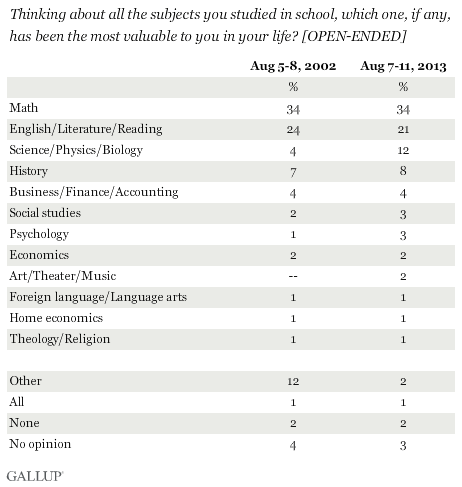


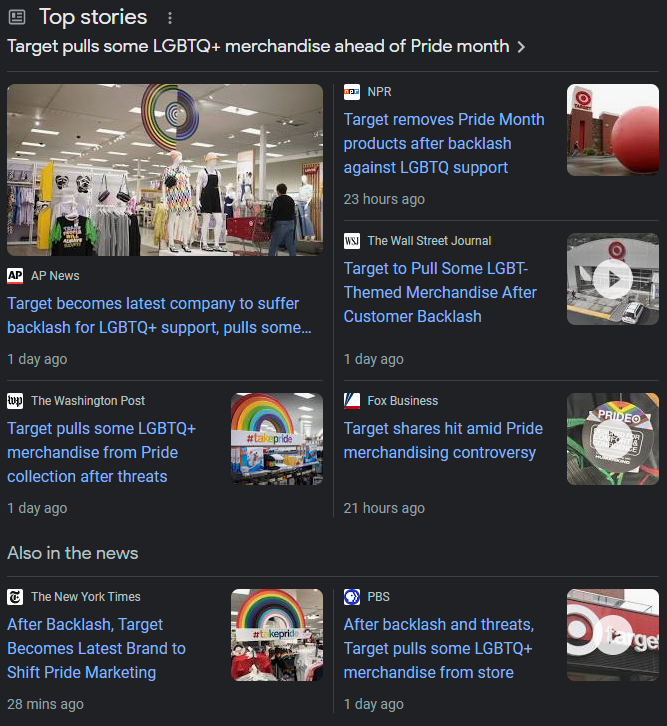






 The Great Forgetting