Introduction
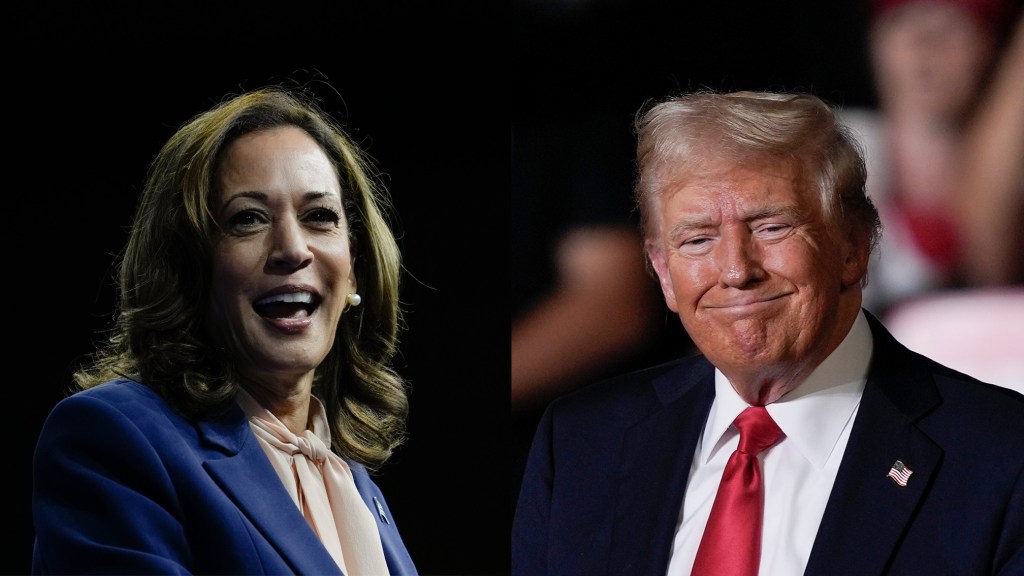
The teachings of Jesus Christ, as recorded in the Bible, emphasize love, compassion, and forgiveness, even toward those we might consider adversaries. One of the most challenging yet transformative commands Jesus gives is to pray for our enemies. In a world increasingly marked by division and conflict, particularly in the political arena, this principle has never been more relevant. As the 2024 U.S. presidential election, featuring prominent figures like Kamala Harris and Donald Trump, stirs deep emotions and polarizes society, the Christian mandate to pray for adversaries offers a pathway to healing and unity. This essay explores the biblical foundation for praying for our enemies, its significance in fostering understanding and compassion, and its potential impact on the current political climate.
Biblical Foundation: Jesus’ Teachings on Praying for Enemies
The command to pray for one’s enemies is rooted in Jesus’ Sermon on the Mount, where He outlines the attitudes and behaviors expected of His followers. In Matthew 5:44 (ESV), Jesus states, “But I say to you, Love your enemies and pray for those who persecute you.” This directive is radical, calling believers to rise above natural inclinations of resentment and retribution. By praying for those who oppose us, we are participating in God’s redemptive work, seeking their well-being and transformation rather than their downfall.
The significance of this teaching is further illuminated by Jesus’ own example. In Luke 23:34 (ESV), as He hung on the cross, Jesus prayed, “Father, forgive them, for they know not what they do.” This prayer, offered on behalf of those who were executing Him, exemplifies the ultimate expression of love and forgiveness. It underscores that prayer for one’s enemies is not merely a theoretical concept but a lived reality in the Christian faith.
The Transformative Power of Prayer in Political Discourse
In today’s political climate, particularly in the context of the 2024 U.S. presidential election, the principle of praying for one’s enemies can serve as a transformative tool for fostering understanding and compassion. The political arena is often characterized by intense rivalry, with opposing parties and supporters viewing each other with suspicion, hostility, and even hatred. This polarization is further exacerbated by social media, where echo chambers reinforce biases and deepen divisions.

However, the act of praying for those on the opposing side, whether they be political leaders or fellow citizens with differing views, can shift one’s perspective. Prayer has the power to humanize our adversaries, reminding us that they, too, are created in the image of God and are deserving of dignity and respect. It allows us to see beyond their political positions and recognize their inherent worth as individuals.
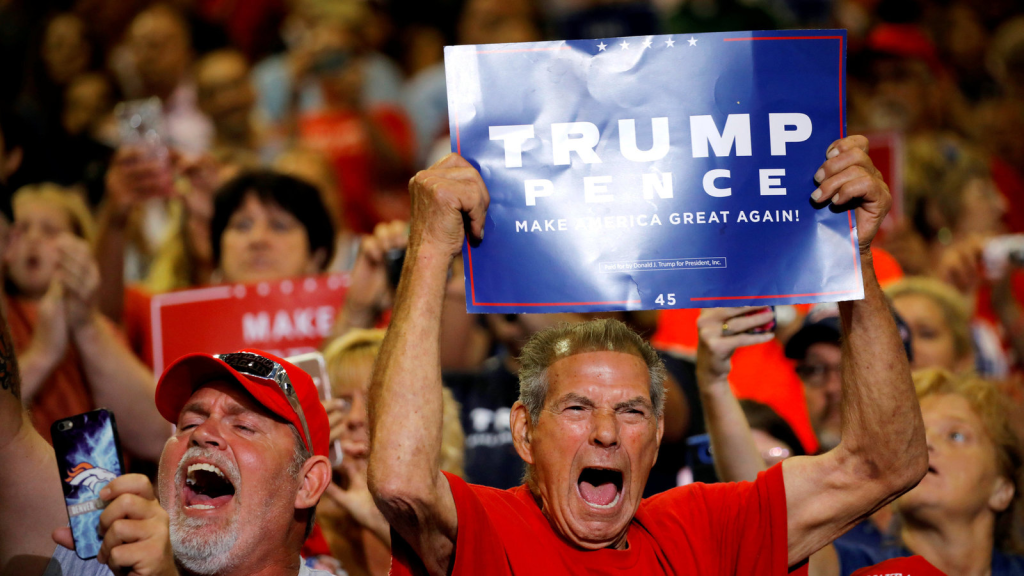
Moreover, prayer can soften our hearts, reducing the animosity we may feel toward those who hold different views. In Philippians 4:6-7 (ESV), Paul encourages believers to bring their concerns to God in prayer, promising that “the peace of God, which surpasses all understanding, will guard your hearts and your minds in Christ Jesus.” This peace can displace the fear, anger, and frustration that often accompany political discourse, enabling us to engage with others more graciously and empathetically.
Promoting Unity and Empathy Through Prayer
One of the most profound effects of praying for our adversaries is its ability to promote unity and empathy. In a polarized society, where individuals often align themselves strictly along partisan lines, it is easy to view those on the other side as enemies rather than as fellow citizens with differing perspectives. This division can lead to a breakdown in communication, mutual respect, and collaboration, all of which are essential for a healthy democracy.
Praying for our adversaries challenges us to move beyond these divisions. It fosters empathy by compelling us to consider the experiences, concerns, and motivations of those we might otherwise dismiss or oppose. This is particularly important in the context of the 2024 U.S. presidential election, where the stakes are high, and emotions are running deep. By praying for candidates and supporters across the political spectrum, we open ourselves to understanding their perspectives, even if we do not agree with them.
The apostle Paul, in his letter to Timothy, emphasizes the importance of praying for all people, including those in positions of authority. In 1 Timothy 2:1-2 (ESV), he writes, “First of all, then, I urge that supplications, prayers, intercessions, and thanksgivings be made for all people, for kings and all who are in high positions, that we may lead a peaceful and quiet life, godly and dignified in every way.” This call to prayer is not limited to leaders with whom we agree; it extends to all, regardless of their political stance. Through such prayers, we seek God’s guidance, wisdom, and justice for our leaders and our nation, fostering a spirit of unity and cooperation.
Bridging Gaps and Promoting Mutual Respect
The practice of praying for our adversaries can also play a crucial role in bridging gaps and promoting mutual respect in a polarized society. In a climate where political differences often lead to personal animosity, prayer can serve as a bridge, connecting individuals across ideological divides. It encourages a posture of humility, recognizing that, regardless of our political affiliations, we all stand in need of God’s grace and guidance.
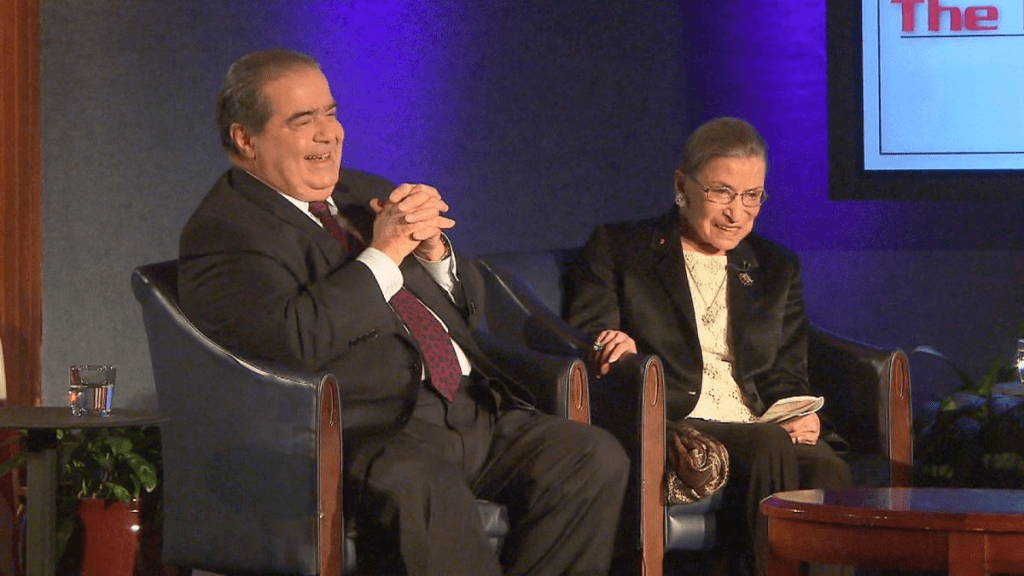
A real-world example of the power of prayer in bridging divides can be seen in the relationship between the late Supreme Court Justices Ruth Bader Ginsburg and Antonin Scalia. Despite their stark ideological differences, Ginsburg and Scalia shared a deep friendship rooted in mutual respect. Both justices were known for their sharp legal minds and passionate convictions, yet they managed to maintain a relationship that transcended political and judicial disagreements. While their relationship was not explicitly rooted in prayer, it exemplifies the kind of mutual respect and understanding that prayer can foster among those with differing views.
In the context of the 2024 U.S. presidential election, praying for candidates from both major parties, as well as for those who support them, can help to break down barriers of hostility and foster a spirit of mutual respect. It reminds us that, regardless of our political differences, we are all part of the same human family, bound by our shared hopes and aspirations for the future.
The Role of Biblical Wisdom in Political Engagement
The Bible offers timeless wisdom that can guide Christians in their political engagement, particularly in how they relate to those with whom they disagree. Proverbs 15:1 (ESV) states, “A soft answer turns away wrath, but a harsh word stirs up anger.” This proverb underscores the importance of a gentle and measured approach in discussions, especially in the heated atmosphere of political debates. Prayer helps cultivate this gentleness, enabling believers to respond with kindness and patience rather than reacting with anger or hostility.
Furthermore, Jesus’ teaching in Matthew 7:12 (ESV), commonly known as the Golden Rule, instructs, “So whatever you wish that others would do to you, do also to them, for this is the Law and the Prophets.” Applying this principle in political discourse means treating our adversaries with the same respect, fairness, and understanding that we desire for ourselves. Praying for those on the opposite side of the political spectrum can help us internalize this principle, leading to more constructive and respectful engagement.
Practical Insights for Applying the Principle of Praying for Our Adversaries
To effectively apply the principle of praying for our adversaries in today’s political landscape, it is essential to approach it with intentionality and sincerity. Here are a few practical insights:
- Start with Self-Reflection: Before praying for others, take time to reflect on your own attitudes and biases. Ask God to reveal any areas of prejudice or animosity in your heart and to replace them with love and compassion.
- Pray for Specific Needs: When praying for adversaries, consider their specific needs and challenges. This might include praying for their health, wisdom, or guidance in decision-making. Focusing on their humanity can help shift your perspective from opposition to empathy.
- Seek God’s Perspective: Ask God to help you see your adversaries through His eyes. This can lead to a deeper understanding of their struggles, motivations, and concerns, fostering a more compassionate attitude.
- Extend Prayer to Action: Let your prayers inspire actions that promote understanding and unity. This might involve engaging in respectful dialogue, seeking common ground, or participating in initiatives that bridge political divides.
- Encourage Others to Pray: Share the importance of praying for adversaries with others in your community, encouraging collective prayer for the nation’s leaders and citizens. This can create a ripple effect, spreading a spirit of unity and reconciliation.
Conclusion
The command to pray for our adversaries, as taught by Jesus, holds profound significance for Christians navigating the complexities of a divisive political landscape. In the context of the 2024 U.S. presidential election, where tensions are high and divisions deep, this principle offers a pathway to understanding, compassion, and unity. By praying for those with whom we disagree, we can bridge gaps, promote mutual respect, and contribute to a more just and peaceful society. Rooted in biblical wisdom and practical application, the practice of praying for our adversaries has the potential to transform not only our hearts but also the broader political discourse, fostering a spirit of reconciliation and healing in a polarized world.
 The Great Forgetting